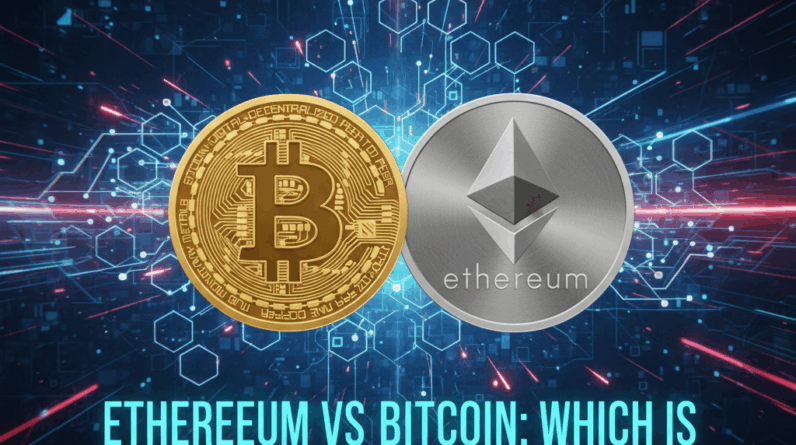



Cryptocurrency has evolved dramatically over the past decade. From being viewed as a speculative digital asset to gaining acceptance among mainstream financial institutions, crypto is now a fundamental part of the global financial ecosystem. As we move deeper into 2025, both investors and businesses are watching key trends that could shape the future of digital assets.
Growing Institutional Adoption
One of the strongest signals for crypto’s long-term stability is increased institutional adoption. Major corporations and financial institutions are integrating cryptocurrency payment gateways, offering Bitcoin-backed ETFs, and exploring blockchain technology for global transactions. This trend is boosting investor confidence and driving long-term value.
Rise of Stablecoins and CBDCs
Stablecoins continue to bridge the gap between traditional finance and decentralized finance (DeFi). Meanwhile, Central Bank Digital Currencies (CBDCs) are being explored by countries like the U.S. and China. These assets could reshape how international payments and cross-border trade operate, with lower fees and greater transparency.
Bitcoin Halving and Market Outlook
With the recent Bitcoin halving event, the spotlight is once again on its deflationary model. Historically, halvings have led to significant bull runs due to limited supply. While past performance does not guarantee future results, investors and traders are optimistic about the long-term appreciation of Bitcoin and other deflationary cryptocurrencies.
Regulatory Clarity in the U.S.
Regulation remains one of the biggest factors influencing crypto’s future. The United States Securities and Exchange Commission (SEC) has increased its efforts to regulate everything from crypto exchanges to tokenized securities. More regulatory clarity could ultimately strengthen investor trust, making the U.S. market a leader in safe crypto trading.
Growth of Web3 and DeFi
Web3 projects—powered by blockchain technology—are opening new opportunities in gaming, decentralized apps (dApps), and finance. DeFi platforms are creating alternatives to traditional banks, where lending, borrowing, and staking can be done without intermediaries. This innovation is expected to disrupt legacy financial systems and attract billions in global investment.
The Role of Artificial Intelligence in Crypto
Artificial Intelligence (AI) is now merging with blockchain to create advanced trading algorithms, fraud detection systems, and personalized investment strategies. AI-powered crypto trading bots are becoming mainstream, providing retail investors with tools previously reserved for hedge funds.
Should You Invest Now?
The crypto market remains volatile, but opportunities for long-term gains are significant. Investors should diversify their portfolios, conduct thorough research, and stay updated on regulatory changes. While Bitcoin and Ethereum remain the most dominant, emerging altcoins and blockchain projects could also prove profitable in 2025.
Final Thoughts
Cryptocurrency is no longer just a speculative asset—it is becoming an integral force in shaping the global economy. Factors like institutional adoption, regulation, Web3 innovation, and technological integrations like AI will define the next chapter of digital assets. For investors in the U.S. and beyond, staying informed about market trends in 2025 is crucial for seizing opportunities in this rapidly evolving space.